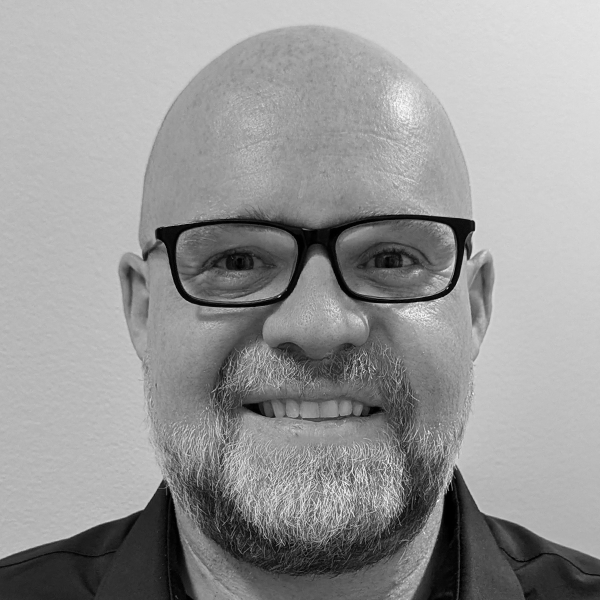
Razik YousfiSVP, AI Products



All registrants will be sent the webinar recording shortly following the completion of the session.
During this engaging session, you will:
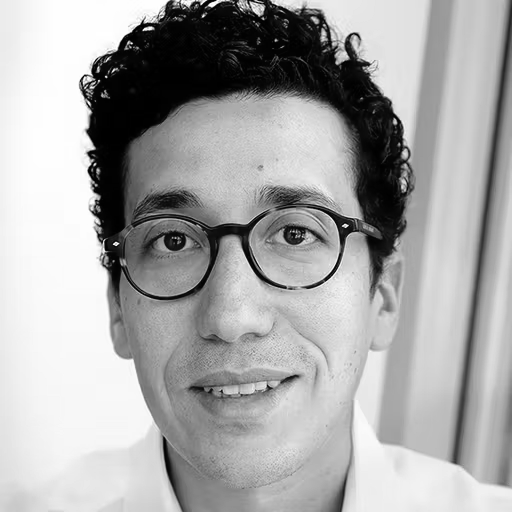
Razik Yousfi is the SVP and GM of AI Products at Tempus, where he leads multi-modal Foundation Model initiatives and the development of AI products for Life Sciences and clinical care. He previously served as CEO and CTO of Paige AI, a pioneer in AI for computational pathology, through its acquisition by Tempus in 2025.
Razik is recognized for bridging deep technical expertise with executive leadership to deliver high-impact, AI-enabled solutions. A proponent of lean product development, he specializes in building and motivating cross-functional teams to solve complex problems. He is driven by a passion for creating customer-centric products at the intersection of data and AI—ultimately advancing a new generation of precision medicine tests that improve patient outcomes.
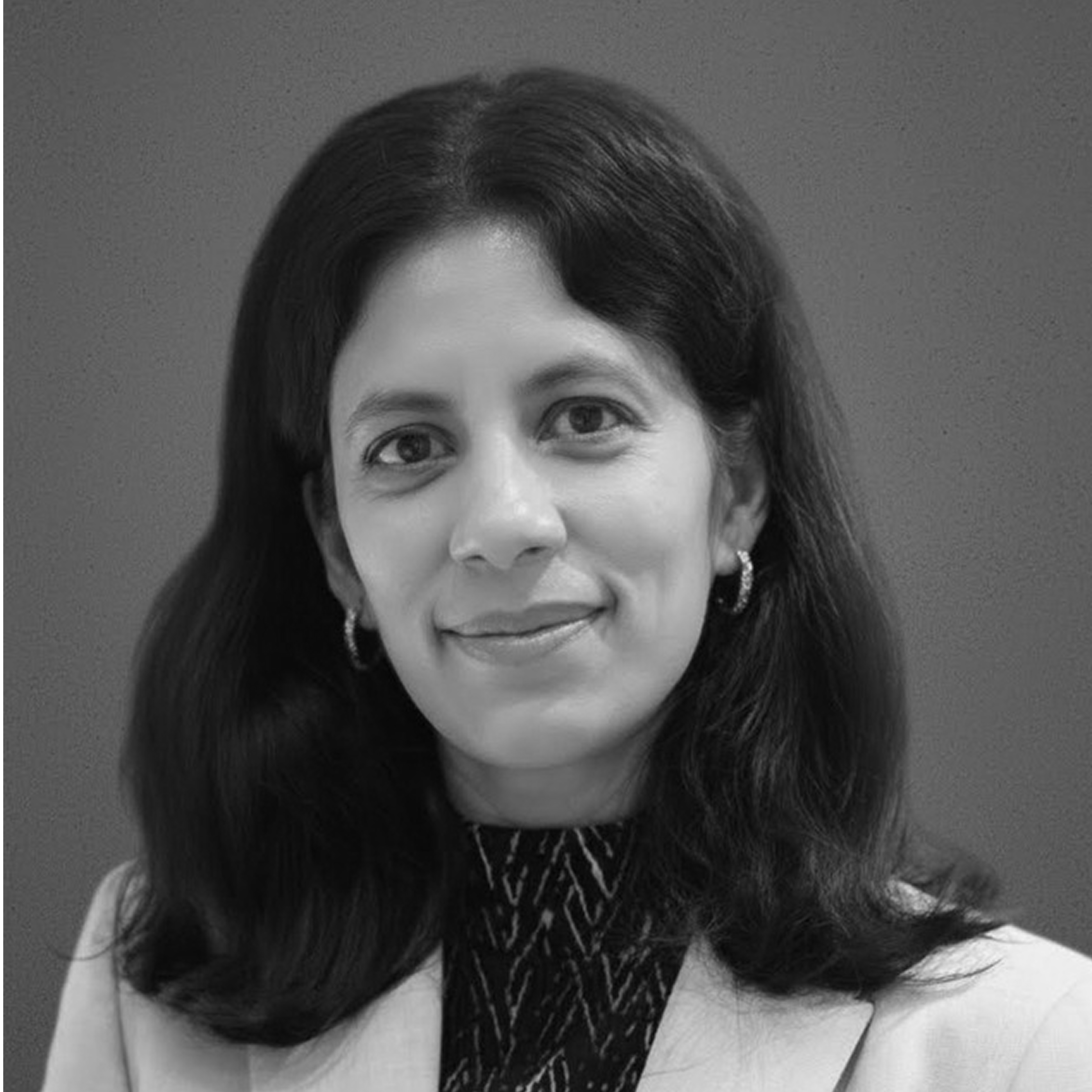
Arpita Saha is the VP of Applied AI & Research at Tempus AI, where she leads the development of applied AI systems and clinical foundation models leveraging multimodal healthcare data. She spearheads the company’s Oncology Foundation Model initiative in partnership with AstraZeneca and Pathos, focusing on longitudinal patient understanding across genomic, molecular, and clinical data. She also oversees teams building the AI training platform and AI-powered systems used across Tempus products including NEXT, TIME and Tempus Lens. Previously, she held leadership roles at Google, building large-scale AI solutions.
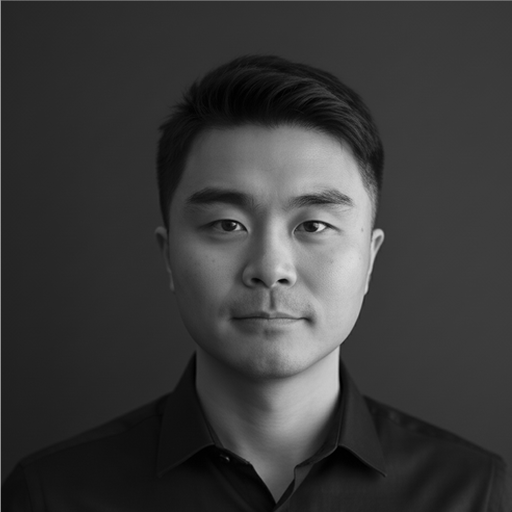
Siqi Liu is the VP of AI at Tempus, where he leads the development of multimodal foundation models for oncology and precision medicine, integrating pathology, genomics, and clinical data to improve therapy selection and patient stratification. He previously served as VP of AI at Paige AI, leading research and engineering teams in computational pathology and foundation model development through Paige’s acquisition by Tempus in 2025.
Siqi combines deep expertise in machine learning with hands-on leadership to translate cutting-edge research into scalable AI products for clinical care and life sciences. His work focuses on building high-impact AI systems that unlock insights from multimodal biomedical data and advance the future of precision oncology.
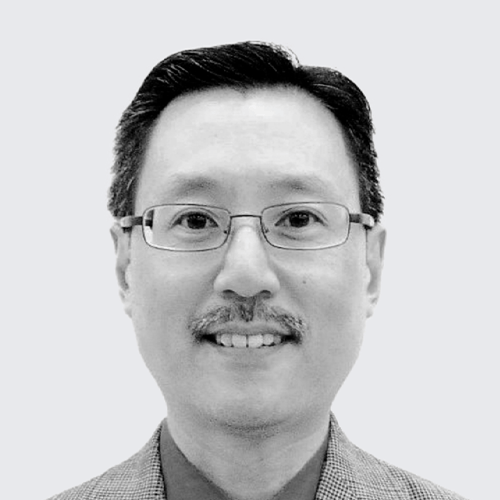
This is a placeholder bio for Speaker 5. You can replace this text inside Marketo Editor with their actual professional background, education, and credentials.
LinkedIn