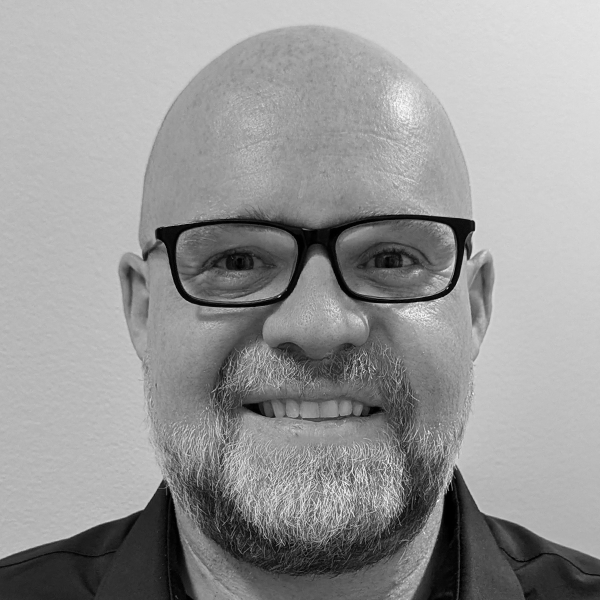
Andrew WhiteheadVP, Head of Population Health



All registrants will be sent the webinar recording shortly following the completion of the session.
Advancing equitable access to high-quality cancer care requires deep, sustained collaboration across the healthcare ecosystem. However, turning this commitment into measurable action is a significant challenge. Fragmented data, buried in disparate EHR and lab systems, obscures the real-world patient journey and the systemic barriers that create care gaps, particularly for medically underserved populations. How can organizations move beyond lagging, incomplete data to drive meaningful change?
Join leaders from Tempus and Bristol Myers Squibb for a discussion on how AI-driven platforms are creating a new paradigm for understanding and addressing health equity. This session will spotlight a real-world case study in advanced non-small cell lung cancer (aNSCLC), where the Tempus Next Pathways platform was deployed across 13 community-based health systems. Together, the teams constructed a unified, longitudinal view of the patient journey—uncovering where and why patients became disconnected to guideline-directed care, and surfacing critical insights into biomarker testing disparities.
This session will cover:
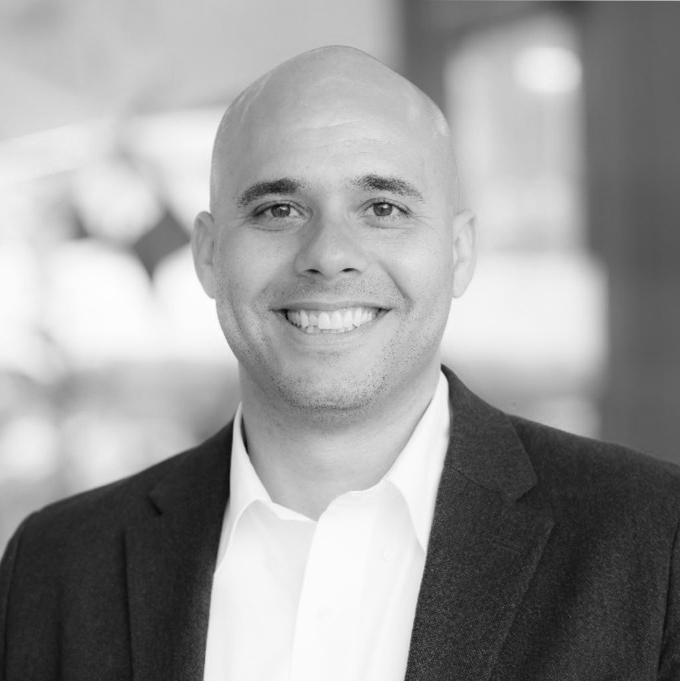
Andrew Whitehead is Vice President and Head of Population Health at Bristol Myers Squibb, where he leads the global integration and execution of the company’s health equity strategy across functions and therapeutic areas. With nearly 15 years at BMS, he brings deep commercial and operational expertise, having held senior roles in strategy, business operations, and portfolio leadership across oncology, hematology, and infectious diseases. Andrew’s work focuses on addressing systemic barriers to care, advancing inclusive research, and expanding access to medicines and innovation, particularly for medically underserved communities globally.

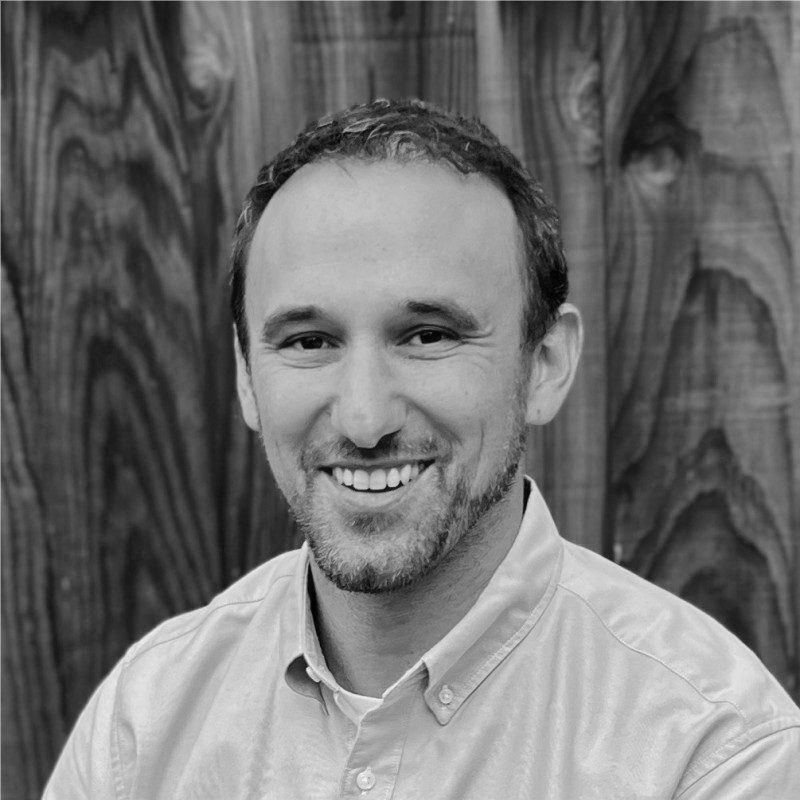
As General Manager of Tempus Next, Noah Zimmerman oversees the development and strategy for Tempus’ AI-enabled clinical care pathway solutions, which help providers close care gaps and deliver guideline-directed care. He can speak to the application of AI in clinical workflows, the challenges and opportunities in implementing real-world solutions for patient care, and the strategic vision for Tempus Next.
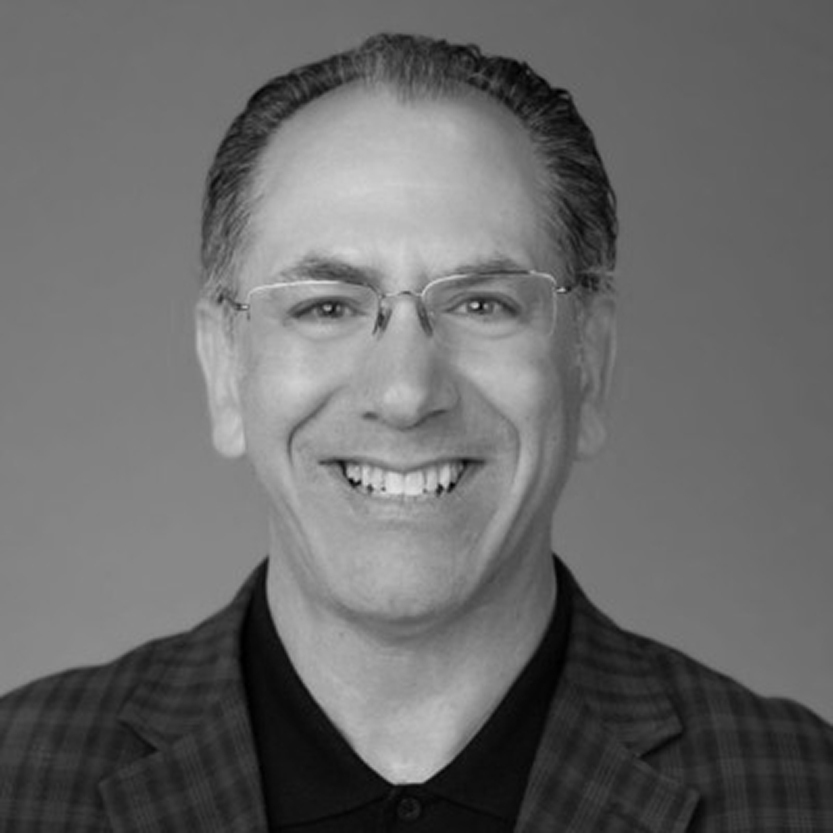
Dr. Gary Grad is an experienced medical oncologist who currently serves as Senior Medical Oncologist on medical affairs at Tempus. He has focused on delivering personalized precision cancer care and advancing treatment through innovative solutions. Dr. Grad has contributed significantly to the development of real-time, data-driven approaches to cancer treatment, leveraging AI and extensive clinical data.